
Author name: vishal0928

Uncategorized

How to Build a Successful Digital Marketing Strategy for Small Businesses in 2026

Introduction Running a small business in today’s competitive market requires more than offering quality products or services. Customers increasingly discover, research, and compare businesses through digital platforms before making purchasing decisions. Whether you operate a local store, provide professional services, or manage an online business, a well-planned digital marketing strategy can help you reach potential customers and strengthen your brand presence. However, digital marketing is not simply about creating social media accounts or running online advertisements. It requires clear business objectives, audience research, consistent communication, and measurable results. In this guide, we’ll explore practical steps small businesses can follow to develop an effective digital marketing strategy in 2026. 1. Start with Clear Business Goals Before investing time or money in digital marketing, identify what you want to achieve. Different businesses have different priorities. A newly established company may focus on building brand awareness, while an existing business may want to generate more inquiries or increase online sales. Common digital marketing goals include: Your marketing goals should be specific, measurable, achievable, relevant, and time-bound. For example, instead of simply aiming to increase website traffic, a business might set a goal to increase organic website visits by 20% over six months. Clear objectives help businesses evaluate whether their marketing efforts are delivering meaningful results. 2. Understand Your Target Audience Successful digital marketing begins with understanding who your customers are. Creating content or advertising without knowing your audience can lead to wasted resources and ineffective communication. Businesses should identify their ideal customers based on relevant factors such as location, interests, purchasing needs, and online behavior. Create Customer Profiles Develop simple customer profiles that describe the people most likely to purchase your products or services. Identify Customer Problems Understand the challenges customers face and how your business can provide solutions. Research Online Behavior Determine which websites, search engines, and social media platforms your customers commonly use. Audience research allows businesses to develop more relevant marketing messages and choose suitable promotional channels. 3. Build a Professional Business Website Your website is one of the most important assets in your digital marketing strategy. It acts as a central destination where potential customers can learn about your business, explore services, review information, and contact you. A professional business website should include: For service-based businesses, integrating WhatsApp communication and inquiry forms can make it easier for visitors to connect with the company. A well-designed website supports marketing campaigns by turning interested visitors into potential customers. 4. Invest in Search Engine Optimization Search Engine Optimization, commonly known as SEO, helps businesses improve their visibility in relevant organic search results. When potential customers search for services or products online, an optimized website has a better opportunity to appear in search results. Focus on Relevant Keywords Identify the words and phrases customers use when searching for businesses like yours. Create Helpful Website Content Publish informative articles, service descriptions, and frequently asked questions that address customer needs. Improve Technical Performance Optimize website speed, mobile usability, navigation, and indexing. Strengthen Local SEO Businesses serving specific geographic locations should maintain accurate business information and optimize their local online presence. SEO is a long-term marketing investment that requires consistent improvement rather than expecting immediate results. 5. Develop a Consistent Social Media Presence Social media platforms provide businesses with opportunities to communicate directly with their audiences. However, maintaining an account is not the same as having a marketing strategy. Businesses should choose platforms based on their target customers and marketing objectives. Instagram may be suitable for visually focused businesses, while LinkedIn can be valuable for B2B services and professional networking. Create a Content Calendar Plan posts in advance to maintain consistency and reduce last-minute content creation. Share Different Content Types Combine educational posts, promotional updates, customer testimonials, short videos, and brand storytelling. Engage with Your Audience Respond to comments, messages, and inquiries professionally. Maintain Brand Consistency Use recognizable colors, typography, messaging, and visual styles across platforms. A consistent social media presence can support brand recognition and customer relationships. 6. Use Content Marketing to Build Trust Content marketing focuses on providing useful information that attracts and engages potential customers. Instead of relying entirely on direct advertisements, businesses can create content that helps customers understand their problems and evaluate possible solutions. Effective content marketing formats include: For example, a website design company could publish an article explaining how website loading speed affects user experience. This type of content provides value while demonstrating the company’s knowledge. Over time, consistent and relevant content can support brand credibility and organic discovery. 7. Consider Paid Advertising for Targeted Reach Paid digital advertising allows businesses to promote their products or services to selected audiences. Platforms such as Google Ads and Meta Ads offer different campaign objectives and targeting capabilities. Google Ads Search advertising can help businesses reach people actively looking for relevant products or services. Meta Ads Facebook and Instagram advertising can support brand awareness, website visits, inquiries, and other campaign objectives. Start with a Controlled Budget Small businesses should avoid investing large amounts without testing their campaigns. Begin with a manageable budget, monitor results, and refine advertisements based on performance. Effective advertising depends on clear messaging, suitable targeting, relevant landing pages, and conversion tracking. 8. Create a Strong Brand Identity Digital marketing becomes more effective when customers can easily recognize your business. A consistent brand identity helps create a professional and memorable experience. Important branding elements include: These elements should remain consistent across websites, social media profiles, advertisements, and printed promotional materials. Strong branding helps distinguish a business from competitors and reinforces its identity. 9. Use AI Tools to Improve Marketing Productivity Artificial Intelligence is increasingly supporting everyday digital marketing activities. For small businesses with limited resources, AI-powered tools can assist with research, content planning, and creative development. Practical applications include: However, AI-generated content should be reviewed for accuracy, originality, and alignment with brand requirements. Businesses should treat AI as a productivity tool while maintaining human judgment and creative oversight. 10. Track Performance and Improve Your Strategy One of the biggest […]
Uncategorized

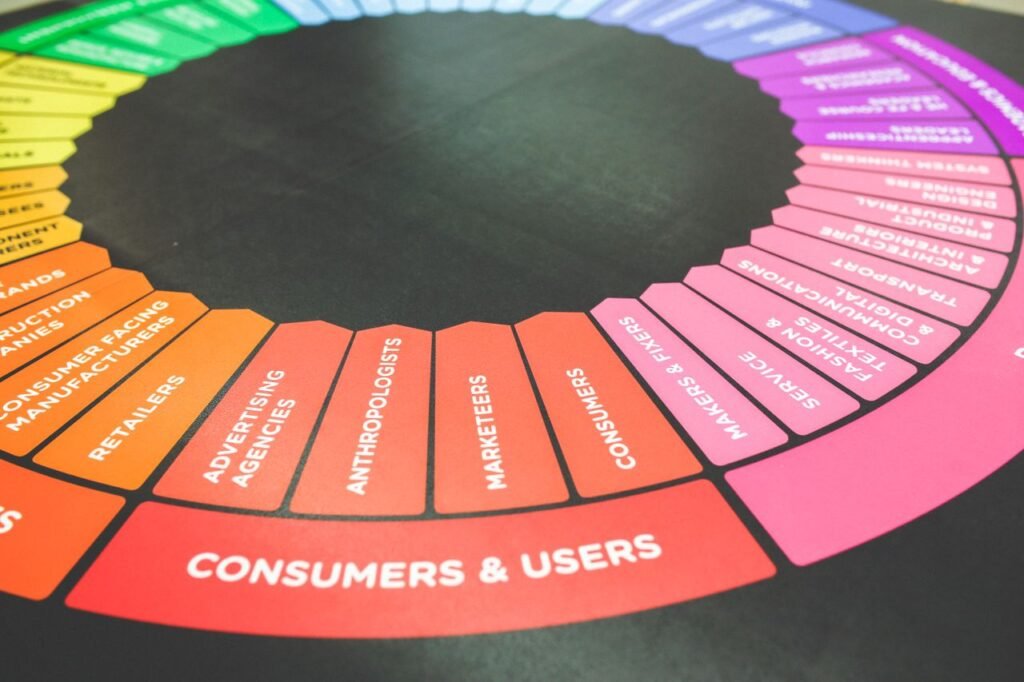
Understanding the Digital Marketing Ecosystem: How Brands Connect with Customers

Introduction Digital marketing is no longer limited to running advertisements or publishing social media posts. It has evolved into an interconnected ecosystem where businesses, marketers, consumers, technology, and communication platforms work together. Every successful marketing campaign involves multiple elements, from understanding customer behavior to selecting the right communication channels and measuring results. For businesses looking to establish a strong digital presence, understanding this ecosystem is essential. In this article, we’ll explore the major components of the digital marketing ecosystem and how businesses can use an integrated approach to achieve sustainable growth. 1. What Is the Digital Marketing Ecosystem? The digital marketing ecosystem refers to the network of platforms, technologies, professionals, strategies, and audiences involved in promoting products and services online. Rather than operating independently, these components influence and support one another. For example, a business may use search engine optimization to attract website visitors, social media to build awareness, content marketing to educate potential customers, and paid advertising to generate inquiries. Together, these activities create a connected customer experience. The key components include: Understanding how these elements interact helps businesses make more informed marketing decisions. 2. Consumers Are at the Center of Marketing Every effective marketing strategy begins with understanding the customer. Consumers have different needs, preferences, purchasing behaviors, and expectations. Some customers discover brands through social media, while others rely on search engines, online reviews, or recommendations. Businesses should understand their audience before deciding where and how to promote their services. Identify Your Target Audience Define your ideal customers based on relevant characteristics such as location, interests, business requirements, and purchasing needs. Understand Customer Challenges Identify the problems customers face and explain how your products or services provide solutions. Map the Customer Journey Understand how customers move from discovering your brand to evaluating options and making purchasing decisions. A customer-focused strategy helps businesses deliver relevant messages at every stage. 3. The Role of Brands and Businesses Brands play a central role in communicating value within the marketing ecosystem. A strong brand is more than a logo, color palette, or tagline. It represents how customers recognize and experience a business. Effective branding involves: When branding and marketing strategies align, businesses can create a more recognizable and trustworthy presence. 4. Marketing Agencies and Creative Professionals Marketing agencies and creative professionals help businesses plan, execute, and improve promotional activities. Different specialists contribute expertise across the digital marketing process. Content Writers Develop website copy, blog articles, social media captions, and marketing messages. Graphic Designers Create visual assets that communicate brand identity and campaign messages. SEO Specialists Improve website structure, content relevance, and organic search visibility. Social Media Managers Plan content calendars, manage brand profiles, engage audiences, and monitor performance. Advertising Specialists Develop, manage, and optimize paid campaigns across digital advertising platforms. Collaboration between these professionals helps create consistent and coordinated marketing campaigns. 5. Digital Marketing Channels and Their Functions Different marketing channels serve different purposes within the customer journey. Search Engine Optimization (SEO) SEO helps businesses improve their visibility in relevant organic search results. It supports long-term discoverability through useful content, technical improvements, and effective website organization. Social Media Marketing Social media platforms help brands communicate with audiences, share content, and develop customer relationships. Content Marketing Content marketing focuses on creating valuable information that attracts, educates, and engages potential customers. Paid Advertising Paid campaigns can help businesses reach selected audiences and promote specific products, services, or offers. Email Marketing Email marketing allows businesses to maintain communication with subscribers, share updates, and nurture customer relationships. Website Design and Development A professional website serves as a central digital destination where visitors can explore services, review information, and submit inquiries. Each channel becomes more effective when it supports a broader marketing strategy. 6. Why Integrated Marketing Is Important One of the biggest challenges businesses face is managing different marketing activities without a unified strategy. For example, a company may publish social media posts, run advertisements, and maintain a website, but fail to connect these activities. Integrated marketing addresses this problem by aligning messaging, branding, content, and business objectives across multiple channels. Example of an Integrated Campaign Imagine a business launching a new service. The company could: This coordinated approach creates a more consistent customer experience. 7. The Importance of Marketing Data and Analytics Data helps businesses understand how their marketing efforts perform. Without measurement, it becomes difficult to determine which campaigns generate meaningful results. Important marketing metrics include: However, not every metric is equally important for every business. A company focused on brand awareness may prioritize reach and audience engagement, while a lead-generation business may focus on qualified inquiries and acquisition costs. The most useful metrics are those connected to specific business goals. 8. How AI Is Influencing the Marketing Ecosystem Artificial Intelligence is changing how marketing professionals research, create, analyze, and optimize campaigns. AI-powered tools can assist businesses with content ideation, audience research, campaign planning, and data interpretation. Some practical applications include: Although AI can improve workflow efficiency, human oversight remains important for maintaining accuracy, creativity, privacy, and brand consistency. 9. Common Challenges in Digital Marketing Businesses often face several challenges when developing their digital marketing strategies. Inconsistent Brand Communication Different messages and visual styles across platforms can weaken brand recognition. Limited Audience Understanding Marketing campaigns may underperform when businesses do not clearly identify their target customers. Poor Website Experience Slow loading speeds, confusing navigation, and unclear calls to action can reduce conversions. Lack of Performance Tracking Without analytics, businesses may continue investing in ineffective activities. Disconnected Marketing Channels When SEO, social media, content, and advertising operate separately, businesses may miss opportunities to create a cohesive customer journey. Addressing these challenges requires planning, coordination, and continuous improvement. 10. Building an Effective Digital Marketing Strategy A successful digital marketing strategy should connect business objectives with audience needs and measurable outcomes. Start by defining what your business wants to achieve. Next, identify your target customers and understand how they discover and evaluate products or services. Choose marketing channels based on audience behavior and business goals. Develop […]

Social Media Marketing

Social Media Marketing in 2026: Strategies to Grow Your Business Online

Introduction Social media has evolved from a platform for connecting with friends into a powerful digital marketing channel for businesses of all sizes. Today, platforms like Instagram, Facebook, LinkedIn, and YouTube provide opportunities for brands to reach potential customers, showcase their products, build communities, and generate business inquiries. However, simply creating a social media account and publishing occasional posts is not enough to achieve meaningful results. Successful social media marketing requires a clear strategy, creative content, audience understanding, and consistent performance analysis. In this article, we’ll explore how businesses can develop an effective social media marketing strategy in 2026. 1. What Is Social Media Marketing? Social Media Marketing (SMM) is the process of using social media platforms to promote a brand, communicate with audiences, and achieve specific business objectives. It involves a combination of organic content creation, community engagement, paid advertising, and performance optimization. Common social media marketing activities include: The ultimate objective is to transform social media activity into measurable business value. 2. Why Social Media Marketing Matters for Businesses Social media provides businesses with direct communication channels to reach existing and potential customers. A well-planned strategy can support several important marketing goals. Increase Brand Awareness Regularly publishing recognizable and valuable content helps introduce your business to new audiences. Build Customer Relationships Social media allows brands to interact with customers through comments, direct messages, polls, and conversations. Generate Leads and Inquiries Strategic calls to action, targeted campaigns, and informative content can encourage interested users to contact your business. Strengthen Brand Credibility Professional visuals, customer testimonials, educational posts, and authentic brand communication can help establish trust. 3. Choose the Right Social Media Platforms Not every social media platform is equally suitable for every business. Choosing the right platform depends on your target audience, industry, marketing objectives, and available resources. Instagram Ideal for visually engaging content, product showcases, Reels, lifestyle branding, and community interaction. Facebook Useful for business pages, local communities, customer communication, and targeted advertising. LinkedIn Particularly valuable for B2B businesses, professional networking, industry insights, and corporate branding. YouTube Suitable for educational videos, tutorials, product demonstrations, interviews, and long-form storytelling. Businesses should prioritize platforms where their potential customers are most active rather than trying to maintain a presence everywhere. 4. Develop a Strong Social Media Content Strategy Content is the foundation of successful social media marketing. A balanced content strategy should provide value while supporting business objectives. Businesses can organize their content into four major categories. Educational Content Share useful tips, tutorials, industry knowledge, and answers to frequently asked questions. Promotional Content Highlight products, services, offers, new launches, and business achievements. Engagement-Focused Content Create polls, questions, interactive stories, and relatable posts that encourage audience participation. Brand-Building Content Showcase your company culture, behind-the-scenes activities, customer experiences, and brand values. Combining these content categories helps maintain variety and creates a more meaningful audience experience. 5. Short-Form Video Is an Important Marketing Format Short-form videos have become a significant part of social media content strategies. Instagram Reels, YouTube Shorts, and other vertical video formats allow brands to communicate messages quickly and creatively. Businesses can use short videos for: Effective short-form videos usually begin with a clear hook, communicate one central message, and conclude with a relevant call to action. Rather than following every trend, businesses should focus on creating videos that align with their brand identity and audience interests. 6. Organic Social Media vs. Paid Advertising Organic and paid social media marketing serve different purposes, but they can work together. Organic Social Media Marketing Organic marketing focuses on building an audience through regular posts, community interaction, and valuable content without paying for distribution. It supports long-term brand development and customer relationships. Paid Social Media Advertising Paid advertising allows businesses to reach selected audiences through sponsored campaigns. Platforms such as Meta Ads provide targeting options based on factors including location, interests, and user behavior, subject to platform policies. Paid campaigns can support objectives such as website traffic, lead generation, and product promotion. An effective marketing strategy can combine organic brand building with carefully planned paid advertising. 7. How AI Is Transforming Social Media Marketing Artificial Intelligence is becoming an increasingly useful tool for social media professionals. AI-powered applications can support content planning, creative development, research, and marketing analysis. Businesses can use AI for: However, AI-generated material should be reviewed by humans to maintain accuracy, originality, brand consistency, and appropriate messaging. AI works best as a creative and analytical assistant rather than a replacement for marketing strategy. 8. Measure Social Media Performance with the Right Metrics Publishing content consistently is important, but understanding its performance is equally essential. Businesses should monitor metrics that align with their marketing objectives. Reach and Impressions These metrics help evaluate how widely content is being distributed and viewed. Engagement Rate Engagement rate helps assess how audiences interact with published content through likes, comments, shares, and other actions. Follower Growth Follower growth indicates changes in audience size, although follower count alone does not determine marketing success. Website Traffic Tracking visits from social media helps businesses understand how effectively their content encourages users to explore their websites. Leads and Conversions For businesses focused on sales or inquiries, lead generation and conversion metrics are especially important. Analyzing these metrics regularly allows marketers to refine their strategies and allocate resources more effectively. 9. Common Social Media Marketing Mistakes to Avoid Even businesses that publish regularly may struggle to achieve results because of avoidable strategic mistakes. Common mistakes include: A successful social media strategy requires planning, consistency, creativity, and continuous optimization. 10. Build a Sustainable Social Media Marketing Strategy Long-term social media success rarely comes from a single viral post. It develops through consistent efforts, audience understanding, and informed decision-making. Businesses should begin by defining clear goals, identifying their target audience, and selecting suitable platforms. Next, they should create a realistic publishing schedule, develop engaging content, and monitor performance. Over time, these insights can help improve content quality, strengthen customer relationships, and support measurable business outcomes. Conclusion Social media marketing in 2026 is about […]

Content Writing

The Power of Content Creation: How Quality Content Helps Brands Grow

Introduction In today’s competitive digital landscape, content is more than just words, images, or videos. It is the foundation of how brands communicate, connect with their audience, and build lasting relationships. From engaging Instagram posts to informative blog articles and creative marketing campaigns, quality content plays an essential role in shaping a brand’s digital presence. But creating content is not simply about posting regularly. It is about delivering the right message to the right audience at the right time. Let’s explore how strategic content creation can help businesses grow and establish a stronger online identity. 1. What Is Content Creation? Content creation is the process of developing valuable, relevant, and engaging material for a specific audience. This content can take many forms, including: Each content format serves a different purpose, but they all contribute to communicating a brand’s message. Successful content creation combines creativity, audience understanding, and marketing strategy. 2. Why Quality Content Matters for Your Brand Consumers interact with countless brands online every day. Businesses need meaningful content to capture attention and communicate their value. High-quality content helps brands establish a recognizable identity and encourage audience engagement. Builds Brand Awareness Consistent and recognizable content makes it easier for people to remember your business. Establishes Trust and Credibility Informative and accurate content demonstrates your knowledge and helps customers make informed decisions. Encourages Audience Engagement Creative visuals, relatable stories, and useful information encourage people to interact with your content. Supports Business Growth Strategic content can attract potential customers, introduce your services, and guide interested visitors toward taking action. 3. Understanding Your Target Audience One of the biggest mistakes businesses make is creating content without understanding their audience. Before developing a content strategy, businesses should identify who they want to reach and what those people expect. Consider these questions: Understanding your audience allows you to create content that feels relevant rather than purely promotional. 4. Different Types of Content Every Business Should Create A successful content strategy uses different content formats to achieve specific marketing goals. Educational Content Educational content provides useful information, explains concepts, and answers common customer questions. Examples include how-to guides, tutorials, industry insights, and informative blog posts. Promotional Content Promotional content highlights products, services, special offers, and business achievements. The goal is to communicate value without overwhelming the audience with advertisements. Engaging Content Interactive posts, polls, questions, relatable stories, and entertaining videos encourage audience participation. Brand Storytelling Brand storytelling introduces the people, values, experiences, and ideas behind a business. Authentic stories can help audiences develop a stronger connection with a brand. 5. The Role of SEO in Content Creation Search Engine Optimization (SEO) helps businesses make their website content more discoverable through search engines. Creating helpful articles around relevant search topics can attract visitors who are actively looking for information. Effective SEO content practices include: The objective should always be to create content that serves readers while helping search engines understand its purpose. 6. How AI Is Changing Content Creation Artificial Intelligence is transforming how businesses plan, develop, and optimize digital content. AI-powered tools can assist content creators with brainstorming, research organization, drafting, editing, and generating creative ideas. Businesses can use AI to support: However, AI-generated content should still be reviewed for accuracy, originality, brand consistency, and audience relevance. The most effective approach combines AI efficiency with human creativity and strategic thinking. 7. Consistency Is the Key to Long-Term Content Success Creating one viral post does not guarantee long-term brand growth. A sustainable content strategy requires consistent communication and continuous improvement. Businesses should develop a content calendar that includes educational, promotional, entertaining, and brand-focused content. It is equally important to monitor performance through meaningful metrics such as engagement, website traffic, inquiries, and conversions. These insights help businesses understand what works and refine their future content strategies. 8. Common Content Creation Mistakes to Avoid Even creative content may underperform when it lacks a clear strategy. Some common mistakes include: Avoiding these mistakes can help businesses build a more effective and recognizable digital presence. Conclusion Content creation is an essential part of modern digital marketing. Whether your business is developing a website, growing its social media presence, or building customer relationships, meaningful content helps communicate your brand’s value. Successful content is not about publishing more. It is about creating relevant, useful, and memorable experiences for your audience. By combining creativity, consistency, audience understanding, and data-driven strategies, businesses can turn content into a valuable long-term marketing asset. Create Content That Connects with Your Audience At Webtechly, we help businesses communicate their ideas through professional content writing, creative storytelling, and digital marketing solutions. From website content and SEO blog writing to social media content and brand communication, our services are designed to support your digital growth.

Website Design

Why Every Business Needs a Professional Website in 2026

Introduction In today’s digital world, your website is more than just an online address. It is your business’s digital identity, a powerful marketing tool, and often the first interaction customers have with your brand. Whether you run a small local business, a growing startup, or an established company, having a professional website can make a significant difference in how customers discover, evaluate, and trust your business. But what exactly makes a website important, and how can it help your business grow? Let’s explore. 1. Your Website Creates the First Impression Imagine a potential customer searching online for a product or service you offer. They discover your business and visit your website. Within seconds, they begin forming an opinion about your brand. A professionally designed website with attractive visuals, clear navigation, and useful information can create a positive first impression. On the other hand, an outdated or poorly organized website may cause visitors to leave before exploring your services. A good website should: 2. A Professional Website Builds Brand Credibility Customers often research businesses online before making purchasing decisions. A well-designed website helps establish credibility by presenting your business information, services, achievements, and customer experiences in one place. Elements such as testimonials, project portfolios, professional images, and clear contact information can strengthen customer confidence. Your website should reflect the quality and professionalism of your business. 3. Mobile-Friendly Design Is No Longer Optional People access websites through smartphones, tablets, laptops, and desktop computers. A responsive website automatically adjusts its layout to different screen sizes, creating a consistent browsing experience. Mobile-friendly websites help visitors navigate content, explore products, and complete actions without unnecessary difficulty. Businesses should prioritize responsive layouts, readable typography, accessible buttons, and optimized images. 4. Search Engine Optimization Helps Customers Find You Having a beautiful website is important, but it also needs to be discoverable. Search Engine Optimization (SEO) helps search engines understand your website and its content. An SEO-friendly website can improve your opportunities to appear in relevant search results. Important SEO practices include: SEO is a long-term strategy that can help businesses attract relevant organic traffic. 5. Your Website Works for Your Business 24/7 Unlike a physical office or store with fixed operating hours, your website remains accessible around the clock. Potential customers can explore your services, read about your business, view your portfolio, and submit inquiries whenever it is convenient for them. By integrating contact forms, WhatsApp buttons, and clear calls to action, your website can become an effective lead-generation platform. 6. Website Design and Digital Marketing Work Together A professional website becomes even more valuable when combined with a strong digital marketing strategy. Social media marketing can introduce your brand to new audiences, while SEO helps attract people searching for relevant information. Paid advertising can direct targeted visitors to dedicated landing pages. Content marketing helps educate customers and build long-term relationships. When these strategies work together, your website becomes the central destination for your digital marketing activities. 7. Investing in a Website Is Investing in Business Growth A professional website is not simply a design project. It is a long-term digital asset. As your business expands, your website can grow with it. You can introduce new services, publish informative articles, showcase completed projects, collect customer inquiries, and integrate additional business tools. A scalable website gives your business the flexibility to adapt to changing customer expectations and market opportunities. Conclusion In 2026, a professional website plays an essential role in establishing a strong digital presence. From creating a positive first impression to supporting SEO, digital marketing, and lead generation, a thoughtfully designed website can contribute to sustainable business growth. Businesses that invest in user-friendly design, valuable content, and ongoing website improvements are better positioned to compete in the digital marketplace. Ready to Build Your Digital Presence? At Webtechly, we help businesses create modern, responsive, and professional websites designed around their goals. From website design and development to SEO, content marketing, and digital branding, we provide creative digital solutions that help businesses establish and strengthen their online presence.

Scroll to Top