
5 Strong Reasons Why Your Business Needs a Professional Website
In the present digital world, technology has shifted business from offline to the internet. For your Business needs a Professional Website has become an essential tool for success. According to a report around 62% of Indian SMBs use a website. Understanding the benefits of a website, many businessmen are shifting their business to online platforms to grow their business and attract customers. In this article, we will explore 5 strong reasons why your business needs a professional website. From increasing your online presence to building credibility and attracting more customers, we will cover why a professional website is not just an option but a necessity for your business’s success. Quick Guide About Why Your Business Needs a Professional Website Reason Why it Matters Key Point Boosts Credibility and Trust Builds trust and makes your business look reliable and established. A professional design and secure features enhance credibility. Expands Your Reach Across the Country Reaches customers in different regions and cities of India. A well-optimized website increases market reach. Enhances Your Online Visibility Improves your search engine rankings and helps customers find you online. Effective SEO strategies boost your online presence. Provides a Platform for Effective Marketing Supports various digital marketing efforts and tracks campaigns. Your website is the hub for marketing strategies. Offers Better Customer Service and Support Provides features for customer support and improves user satisfaction. Integrate support features to address customer needs. 5 Reasons Why Every Business Needs a Professional Website Here are 5 strong reasons why moving your business online is important and very beneficial. 1. Boosts Credibility and Trust of your Business Brand Any customer wants to trust the reliability of a product or service before buying it. If you have published your website on the internet, it will increase people’s trust and faith in your business. People are more interested in buying products from a reliable platform. This change can increase your sales manifold, which will bring profit to your business. You should create a good and attractive website in which customers do not face any problem in buying the product. 2. Expands Your Reach Across the Country/World A website expands your business to a wider area, while in the offline market your business is limited to a particular place only. If you want to sell your product to different types of customers in different cities and regions of India, then a website is an easy medium. You can do business in the whole of India and the world by sitting in just one state. To achieve this objective, you should have a well-structured website and if it has information about your business and products in different languages, then it is even better to attract customers. 3. Enhances Your Online Visibility Many users on the Internet keep searching for information about new products and services every day. If you have maintained your website well, then your products will also be the first to be seen by customers when they search on Google. Anyone from any place can place an order to buy the product you sell on the Internet. As your business becomes online, potential customers in the country / abroad reach your website. The website is helpful in increasing your customer base as well as expanding the business. To increase your visibility, it is most important for you to get your website SEO-optimized. 4. Provides a Platform for Effective Marketing A website helps you create a better marketing strategy for your business. In the offline market, you cannot assess your customers on many parameters, but through a website you can know the customers better and understand their needs. You can use methods like social media campaigns, email marketing, and online ads based on the demographic profile of your customers such as their likes and dislikes, age, gender, location and many other factors. You can track marketing performance through various analytics tools. Apart from this, you can get reviews by talking to your customers. 5. Offers Better Customer Service and Support Website helps in making your business operation easier. It is very important to provide customer service after selling a product or service nowadays. This work is very challenging in the offline market but through the website you can provide them better customer service. To do this, we implement features like chatbots, contact forms, and FAQs on our website. This method is very convenient for customers and business owners. People’s trust in your brand increases. If needed, you can improve your product or services by analysing the customer service provided by you. Conclusion As you know, having a website for business has become very important at present time. Many businesses are available on the online platform today. After the COVID-19 period, new websites have increased even more. In this article, we have told you 5 Strong Reasons Why Your Business Needs a Professional Website. With online presence, you can sell your products from one place to any area across the country. You can establish your online brand and gain new trust and confidence in the market. This will not only expand your business but will also give you financial benefits by increasing your customers. Through the website, you can market your business well. You can improve the quality of your products and services by providing good customer service. So, you should create a great website and get help from a skilled web designer to grow your business. FAQ
10 Website-Powered Online Business Ideas for Women

Looking for online business ideas for women? Imagine being the boss, working anytime and anywhere you want. Many Indian women are now choosing jobs that let them work from home, save time on travel, and have flexible hours to take care of their families. Thanks to technology, there’s a variety of website-powered businesses that offer this kind of freedom. They allow you to work remotely, giving you control over your schedule and the chance to earn well. This article presents 10 website based simple business ideas perfect for Indian women. They cover different skills, how much you need to start, and how much you could earn. Plus, they’re flexible, so you can balance work and life easily. Top 10 Website-Based online business ideas for women 1. Freelance Writing & Content Creation Business Idea: Do you have a way with words and enjoy crafting compelling content? Freelance writing lets you offer your writing skills to businesses, websites, or individuals. You can write articles, blog posts, website copy, social media content, and more. Skills Needed: A strong command of written English, excellent grammar and spelling skills, and the ability to research and write on various topics. Investment Required: Low. You’ll need a computer with internet access and possibly a subscription to writing software or online tools. Profit Potential: Medium to High. Rates vary depending on experience and project complexity. Experienced writers can command high fees. Flexibility: High. You choose your projects, set your deadlines, and work from anywhere with an internet connection. Getting Started: Build a strong online portfolio showcasing your writing samples. Network with businesses and individuals who need content creation services. Popular platforms for finding freelance writing work include Upwork, Fiverr, and online job boards. Success Tips: Develop a niche area of expertise, consistently deliver high-quality work, and build strong client relationships for repeat business. 2. Virtual Assistant Services Business Idea: Virtual assistants (VAs) provide administrative, technical, or creative assistance to clients remotely. Tasks can range from scheduling appointments and managing emails to social media management and data entry. Skills Needed: Excellent organizational skills, strong communication, time management abilities, and proficiency in basic computer programs (MS Office, etc.). Additional skills like social media marketing or bookkeeping can increase your value. Investment Required: Low. You’ll need a computer, internet access, and possibly a subscription to project management tools. Profit Potential: Medium. Rates depend on your experience, skillset, and the services you offer. Flexibility: High. You can manage your client workload and schedule to fit your needs. Getting Started: Identify your service offerings and ideal client base. Develop a website or online profile outlining your skills and experience. Network with potential clients through online forums, professional groups, or social media. Success Tips: Specialize in services in high demand, provide excellent customer service, and build long-term relationships with clients. 3. E-commerce Business Business Idea: E-commerce allows you to sell products online through your own website or online marketplaces like Amazon or Flipkart. You can source products from wholesalers or create your own handmade crafts or goods. Skills Needed: Product sourcing, marketing skills, customer service skills, basic knowledge of e-commerce platforms. Investment Required: Low to Medium. This depends on the type of products you sell (handmade vs. sourced) and any inventory you need to hold. Profit Potential: Medium to High. Profit margins depend on your products, pricing strategies, and marketing efforts. Flexibility: Moderate. While you can manage your business remotely, managing inventory or fulfilling orders may require some schedule adjustments. Getting Started: Choose your product niche and research suppliers or craft your own products. Decide on a selling platform, set up your online store, and develop a marketing strategy to reach your target audience. Success Tips: Focus on building a strong brand identity, provide excellent customer service, and utilize social media and online advertising effectively. 4. Online Coaching & Consulting Business Idea: Are you an expert in a specific field like fitness, finance, or career development? Share your knowledge and experience by offering online coaching or consulting services. This can involve one-on-one coaching sessions, group programs, or online courses. Skills Needed: Expertise in your chosen field, excellent communication and presentation skills, the ability to create engaging content. Investment Required: Low. You’ll need a computer with internet access and a platform to deliver your coaching (video conferencing software, online course creation platform). Profit Potential: Medium to High. Your earning potential depends on your niche, program structure, and pricing strategy. Flexibility: High. You can schedule your coaching sessions or deliver pre-recorded courses, allowing you to work remotely and manage your time effectively. Getting Started: Identify your area of expertise and define your ideal client profile. Develop your coaching program or online course content. Choose a platform to deliver your services and create a website or online profile to showcase your offerings. Success Tips: Build your credibility by showcasing your expertise through social media content, webinars, or guest appearances. Develop a strong brand identity for your coaching program and provide excellent service to retain clients. 5. Social Media Management Business Idea: Do you have a knack for social media and understand how to engage audiences online? Businesses are increasingly outsourcing their social media management needs. This involves creating content, scheduling posts, running social media ads, and interacting with followers. Skills Needed: Strong understanding of social media platforms (Facebook, Instagram, etc.), content creation skills, knowledge of social media marketing strategies, and excellent communication skills. Investment Required: Low. You’ll need a computer with internet access and possibly subscriptions to social media management tools. Profit Potential: Medium. Rates depend on your experience, the number of clients you manage, and the scope of services offered. Flexibility: High. You can manage your workload and schedule social media activities around your own needs. Getting Started: Gain experience by managing your own social media profiles or volunteering for local businesses. Build a portfolio showcasing your social media management skills. Network with businesses through online platforms or professional groups. Success Tips: Stay updated on the latest social media trends and algorithms. Deliver results for
Tips and Tricks to Lower Your Website Development Cost in India 2024
Are you looking for a way to create a website for your business or personal use without spending a fortune? If yes, then you are not alone. Many people in India want to have a website, but they are worried about the high website development cost in India. Website development is not a cheap affair. It involves many factors, such as design, functionality, content, hosting, maintenance, etc. Depending on the type and complexity of your website, the website development cost in India can range from a few thousand rupees to lakhs of rupees. But don’t worry, there is a way to reduce the website development cost in India without compromising the quality and performance of your website. In this article, we will show you how you can save money on website development and still get a stunning website that meets your needs and expectations. Common Mistakes That Increase the Website Development Cost in India Before we share some tips to reduce the website development cost in India, let’s first look at some common mistakes that people make when they hire a website development service in India. These mistakes can increase the website development cost in India and also affect the quality of your website. If you don’t have a clear idea of what you want your website to achieve and what features and functions you need, you will end up paying more for unnecessary or irrelevant things. You will also waste time and money on revisions and changes later on. There are many platforms and CMS (content management systems) available for website development, such as WordPress, Shopify, WIX, etc. Each platform has its own pros and cons, and some are more suitable for certain types of websites than others. If you choose the wrong platform or CMS for your website, you will face issues such as compatibility, security, scalability, etc. You will also have to pay more for customizations and integrations. When it comes to website development, you get what you pay for. If you hire the cheapest website development service in India, you will likely get a low-quality website that is poorly designed, coded, and optimized. You will also face problems such as bugs, errors, delays, etc. On the other hand, if you hire the most expensive website development service in India, you will end up paying more than you need to. You will also risk overpaying for features and functions that you don’t need or use. There are many website development services in India, but not all of them are reliable and trustworthy. Some of them may charge hidden fees, deliver subpar work, or use unethical practices. If you don’t do enough research and comparison before hiring a website development service in India, you will risk falling prey to such scams and frauds. Best Practices and Tips to Reduce the Website Development Cost in India Now that you know what mistakes to avoid, let’s look at some best practices and tips to reduce the website development cost in India and get a high-quality website. The first and most important step to reduce the website development cost in India is to define your goal and scope for your website. You should have a clear vision of what you want your website to achieve and what features and functions you need. You should also have a realistic budget and timeline for your website development project. This will help you narrow down your options and choose the best platform, CMS, and website development service in India for your website. The next step to reduce the website development cost in India is to choose the right platform or CMS for your website. You should consider factors such as the type, size, and complexity of your website, the level of customization and integration you need, the security and scalability of the platform, the ease of use and maintenance of the CMS, etc. You should also compare the costs and benefits of different platforms and CMS, such as WordPress, Shopify, WIX, etc. You should choose the one that best suits your needs and budget. The final step to reduce the website development cost in India is to hire a reputable and affordable website development service in India. You should do some research and comparison before hiring a website development service in India. You should check their portfolio, reviews, testimonials, ratings, etc. You should also ask for a quote, a contract, and a guarantee from them. You should hire a website development service in India that has experience and expertise in creating websites similar to yours, that offers reasonable and transparent prices, and that delivers quality work on time and within budget. Website Development Cost in India: A Rough Estimate To give you a rough idea of how much it costs to create a website in India, we have compiled some average figures based on the type of website, the platform or CMS, and the website development service in India. These are approximate numbers and can vary depending on your specific requirements and preferences. A basic website is a simple website that has limited features, design elements, and functionalities. It usually consists of a few pages, such as a home page, an about page, a contact page, etc. A basic website can cost around ₹12,500 to ₹37,500 in India. The cost can vary based on the platform or CMS you choose, the domain and hosting provider you use, and the website development service in India you hire. For example, WordPress is a popular and affordable platform for creating basic websites, and you can find many website development services in India that offer WordPress website development at reasonable prices. A small business website is a website that showcases your products or services, your brand, and your value proposition. It usually has more pages, features, and functionalities than a basic website, such as a blog, a portfolio, a testimonial section, a newsletter subscription, etc. A small business website can cost between ₹37,500 to ₹1,25,000 in India.
How to Choose the Best Website Builder for Small Business in 2024
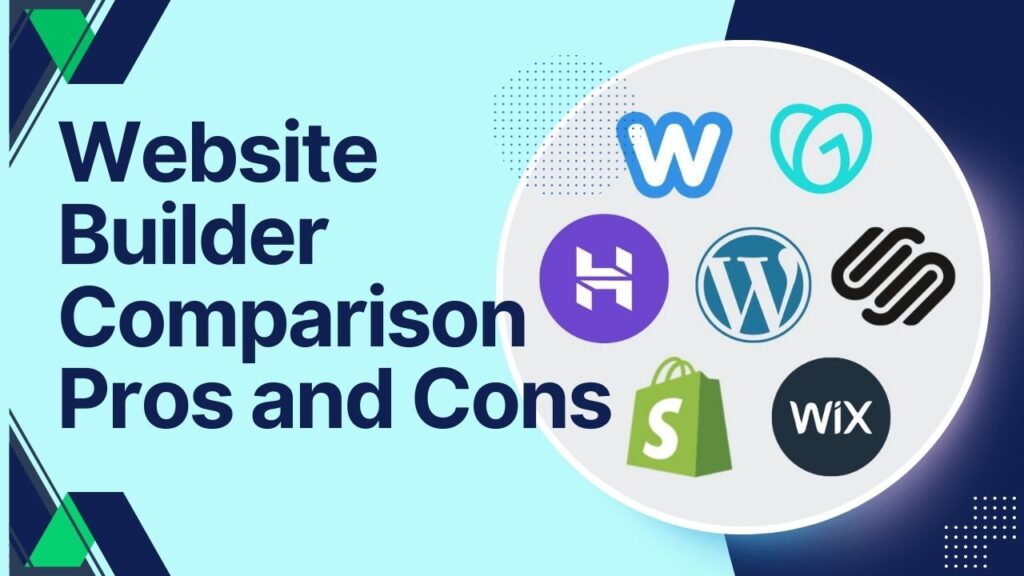
As a small business owner, you know how important it is to have a website. It can help you showcase your products or services, attract more customers, and grow your online presence. But building a website can be hard and costly if you don’t have any coding or design skills. That’s where a website builder comes in. A website builder is a tool that allows you to create a website with ease. You can select from hundreds of templates, customize them with your own content, and add features like online stores, blogs, contact forms, and more. In this article, we will talk about the 10 best website builder for small business in 2024, and recommend the best one for your needs and budget. Top 10 Best Website Builder for Small Business in 2024 1. WIX Wix is one of the most popular and versatile website builder on the market. It offers over 500 templates, a drag-and-drop editor, and a wide range of features, such as online stores, booking systems, blogs, galleries, and more. Wix also has an AI-powered tool called Wix ADI, which can create a website for you based on your answers to a few questions. Pros: Cons: Pricing: Wix has a free plan and seven paid plans, ranging from Rs. 1500 to 4000 per month. The free plan includes 500 MB of storage, 1 GB of bandwidth, and a Wix-branded domain. The paid plans offer more storage, bandwidth, features, and a custom domain. 2. Squarespace Squarespace is a website builder that focuses on design and aesthetics. It offers over 100 templates, all of which are sleek, modern, and responsive. Squarespace also has a powerful editor that lets you customize every aspect of your website, and a range of features, such as online stores, blogs, portfolios, newsletters, and more. Pros: Cons: Pricing: Squarespace has four paid plans, ranging from Rs. 1500 to 5000 per month. All plans include unlimited storage and bandwidth, a custom domain, SSL security, and 24/7 support. 3. Hostinger Hostinger Website Builder offers an all-in-one solution for small businesses. It combines a cloud-based builder, designer templates, eCommerce features, and advanced AI tools. Hostinger Website Builder also has an AI website generator that can create a website for you in minutes, based on your brand, industry, and preferences. Pros: Cons: Pricing: Hostinger Website Builder has affordable paid plans, ranging from Rs. 149 to 1500 per month. All plans include unlimited storage and bandwidth, SSL security, and 24/7 support. The cheapest plan does not include a domain name, while the other two plans do. 4.Webflow Webflow is a website builder that gives you more control and flexibility over your website design. It allows you to create a website from scratch, or use one of the templates, and then edit it with a visual editor that lets you manipulate every element on the page. Webflow also has features like online stores, blogs, CMS, and more. Pros: Cons: Pricing: Webflow has a free plan and three paid plans, ranging from Rs. 1200 to 3000 per month. The free plan includes 500 MB of storage, 2 GB of bandwidth, and a Webflow-branded domain. The paid plans offer more storage, bandwidth, features, and a custom domain. 5. Shopify Shopify is a website builder that specializes in eCommerce. It allows you to create an online store with ease, and manage your products, orders, inventory, payments, and shipping. Shopify also has a large app store, where you can find hundreds of plugins and integrations to enhance your store. Shopify also has a blog and a newsletter feature, as well as a POS system for offline sales. Pros: Cons: Pricing: Shopify has three paid plans, ranging from Rs. 2500 to 25000 per month. All plans include unlimited products, storage, and bandwidth, a custom domain, SSL security, and 24/7 support. The plans differ in the number of staff accounts, features, and transaction fees. 6. Weebly Weebly Weebly is a website builder that offers a simple and intuitive way to create a website. It has a drag-and-drop editor, a large selection of templates, and a range of features, such as online stores, blogs, contact forms, newsletters, and more. Weebly also has a mobile app, where you can edit your website on the go. Pros: Cons: Pricing: Weebly has a free plan and four paid plans, ranging from Rs.700 to 3000 per month. The free plan includes 500 MB of storage, a Weebly-branded domain, and a Weebly ad. The paid plans offer more storage, features, and a custom domain. 7.Wordpress WordPress WordPress is a website builder that offers the most flexibility and functionality for your website. It is a self-hosted platform, which means you need to install it on your own web server, and then choose from thousands of themes and plugins to customize your website. WordPress also has features like blogs, online stores, forums, membership sites, and more. Pros: Cons: Pricing: WordPress is free to download and use, but you need to pay for hosting and domain name. The cost of hosting and domain name varies depending on the provider and the plan you choose. You may also need to pay for some themes and plugins, depending on your needs. 8. Siter.io Siter.io Siter.io is a website builder that offers a fast and easy way to create a website. It uses artificial intelligence to generate a website for you based on your content, industry, and preferences. You can then edit your website with a simple editor, and add features like online stores, blogs, contact forms, and more. Pros: Cons: Pricing: Siter.io has a free plan and two paid plans, ranging from Rs. 750 to 1500 per month. The free plan includes 1 GB of storage, 10 GB of bandwidth, and a Siter.io-branded domain. The paid plans offer more storage, bandwidth, features, and a custom domain. 9. GoDaddy GoDaddy Builder GoDaddy Builder is a website builder that offers a quick and easy way to create a website. It has a guided setup process that asks you a
How to Choose the Best Custom Website Design for Your Business

A custom website development is tailored to your specific needs and preferences. It reflects your brand identity, values, and goals. A custom website design can help you stand out from your competitors, attract more customers, and increase your conversion rate. But how do you choose the best custom website design for your business? In this article, we will share some tips and factors to consider when selecting a custom website design. Why You Need a Custom Website Design A custom website development has many benefits for your business, such as: 1. Uniqueness A custom website design is one-of-a-kind and reflects your brand personality. It helps you create a memorable impression on your visitors and differentiate yourself from your competitors. 2. Functionality: A custom website design is built to suit your specific needs and goals. It can include features and functionalities that are relevant and useful for your business, such as e-commerce, booking, chatbot, etc. 3. Performance: A custom website design is optimized for speed, security, and SEO. It can load faster, rank higher, and protect your data better than a template-based website. 4. Flexibility A custom website design is easy to update and maintain. You can make changes and improvements as your business grows and evolves, without being limited by the constraints of a template. How to Find a Custom Website Development Agency If you want to get a custom website design, you need to find a reliable and professional custom website design agency. Here are some tips on how to find one: Do your research Search online for custom website design agencies that have experience and expertise in your industry and niche. Look at their portfolio, reviews, testimonials, and case studies to see their previous work and results. 2. Ask for referrals Ask your friends, family, colleagues, or network for recommendations of custom website design agencies that they have worked with or know of. You can also check online forums, groups, or communities related to your industry and niche for suggestions. 3. Contact them: Once you have a shortlist of custom website design agencies, contact them and ask for a consultation. Discuss your needs, goals, budget, and timeline with them and see how they respond. You can also ask them for a proposal or a quote to compare their services and prices. What to Look for in a Custom Website Design When choosing a custom website design, you need to consider some factors that can affect the quality and effectiveness of your website, such as: 1. Design The design of your website should be attractive, user-friendly, and responsive. It should match your brand identity, color scheme, and logo. It should also be easy to navigate, read, and interact with on different devices and browsers. 2. Content The content of your website should be informative, engaging, and persuasive. It should provide value to your visitors and answer their questions and problems. It should also include clear and compelling calls to action that guide them to the next step. SEO The SEO of your website should be optimized for your target keywords and audience. It should include relevant and unique title tags, meta descriptions, headings, and alt texts. It should also have a fast loading speed, a secure connection, and a mobile-friendly layout. Analytics The analytics of your website should be set up and integrated with tools such as Google Analytics, Google Search Console, and Google Tag Manager. These tools can help you track and measure your website’s performance, traffic, conversions, and other metrics. How to Evaluate a Custom Website Design After you get a custom website design, you need to evaluate it and see if it meets your expectations and objectives. Here are some ways to evaluate a custom website design: Test it Test your website on different devices, browsers, and screen sizes to see how it looks and works. Check for any errors, bugs, or glitches that might affect your user experience and functionality. Feedback it Ask for feedback from your target audience, customers, or stakeholders on your website. You can use surveys, polls, interviews, or focus groups to collect their opinions and suggestions. You can also use tools such as Hotjar, Crazy Egg, or UserTesting to analyze their behavior and interactions on your website. Improve it Based on the results of your testing and feedback, make improvements and adjustments to your website. You can also monitor your website’s performance and metrics over time and see if you need to make any changes or updates. Conclusion A custom website development is a great way to showcase your business and brand online. It can help you create a unique and memorable impression on your visitors, offer them a better user experience and functionality, and increase your conversion rate and revenue. However, choosing a custom website design is not an easy task. You need to find a reputable and professional custom website design agency, consider various factors that can affect your website’s quality and effectiveness, and evaluate your website’s results and outcomes. We hope this article has given you some useful tips and insights on how to choose the best custom website design for your business. If you need any help or assistance with your custom website design, please feel free to contact us. We will connect you with a custom website developer that can help you create a stunning and successful website for your business. FAQs 4. How useful is custom web development? Custom web development is useful because it can help you create a unique and memorable website that meets your business needs and objectives, and offers better security, scalability, and performance. 5. What are the Custom website development tools? Some of the custom website development tools are: Webflow, Creative Tim, Visual Studio Code, Bootstrap, Sass, Envato, InVision Cloud, Sublime Text, and more. 6. How to find custom website development services To find custom website development services, you can search online for web development agencies that have experience and expertise in your industry and niche, look at their