Introduction
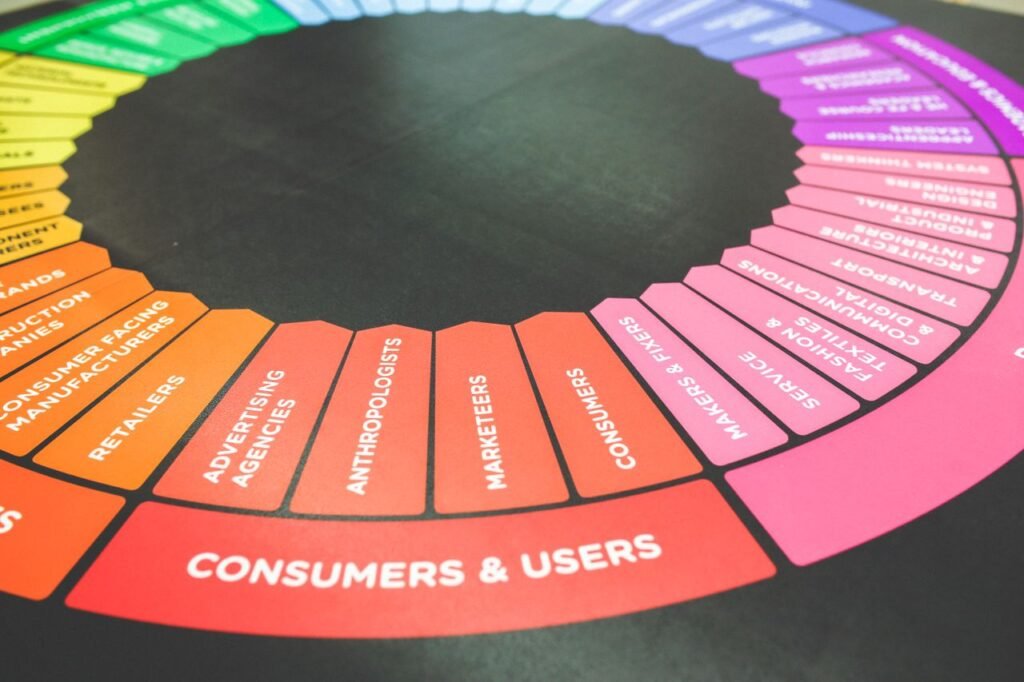
Digital marketing is no longer limited to running advertisements or publishing social media posts. It has evolved into an interconnected ecosystem where businesses, marketers, consumers, technology, and communication platforms work together.
Every successful marketing campaign involves multiple elements, from understanding customer behavior to selecting the right communication channels and measuring results.
For businesses looking to establish a strong digital presence, understanding this ecosystem is essential.
In this article, we’ll explore the major components of the digital marketing ecosystem and how businesses can use an integrated approach to achieve sustainable growth.
1. What Is the Digital Marketing Ecosystem?
The digital marketing ecosystem refers to the network of platforms, technologies, professionals, strategies, and audiences involved in promoting products and services online.
Rather than operating independently, these components influence and support one another.
For example, a business may use search engine optimization to attract website visitors, social media to build awareness, content marketing to educate potential customers, and paid advertising to generate inquiries.
Together, these activities create a connected customer experience.
The key components include:
- Businesses and brands
- Consumers and target audiences
- Marketing professionals and agencies
- Digital communication platforms
- Content creators and publishers
- Advertising technologies
- Data analytics and performance measurement
Understanding how these elements interact helps businesses make more informed marketing decisions.
2. Consumers Are at the Center of Marketing
Every effective marketing strategy begins with understanding the customer.
Consumers have different needs, preferences, purchasing behaviors, and expectations.
Some customers discover brands through social media, while others rely on search engines, online reviews, or recommendations.
Businesses should understand their audience before deciding where and how to promote their services.
Identify Your Target Audience
Define your ideal customers based on relevant characteristics such as location, interests, business requirements, and purchasing needs.
Understand Customer Challenges
Identify the problems customers face and explain how your products or services provide solutions.
Map the Customer Journey
Understand how customers move from discovering your brand to evaluating options and making purchasing decisions.
A customer-focused strategy helps businesses deliver relevant messages at every stage.
3. The Role of Brands and Businesses
Brands play a central role in communicating value within the marketing ecosystem.
A strong brand is more than a logo, color palette, or tagline. It represents how customers recognize and experience a business.
Effective branding involves:
- Establishing a clear brand identity
- Maintaining consistent visual communication
- Defining a unique value proposition
- Communicating brand values
- Delivering a reliable customer experience
When branding and marketing strategies align, businesses can create a more recognizable and trustworthy presence.
4. Marketing Agencies and Creative Professionals
Marketing agencies and creative professionals help businesses plan, execute, and improve promotional activities.
Different specialists contribute expertise across the digital marketing process.
Content Writers
Develop website copy, blog articles, social media captions, and marketing messages.
Graphic Designers
Create visual assets that communicate brand identity and campaign messages.
SEO Specialists
Improve website structure, content relevance, and organic search visibility.
Social Media Managers
Plan content calendars, manage brand profiles, engage audiences, and monitor performance.
Advertising Specialists
Develop, manage, and optimize paid campaigns across digital advertising platforms.
Collaboration between these professionals helps create consistent and coordinated marketing campaigns.
5. Digital Marketing Channels and Their Functions
Different marketing channels serve different purposes within the customer journey.
Search Engine Optimization (SEO)
SEO helps businesses improve their visibility in relevant organic search results.
It supports long-term discoverability through useful content, technical improvements, and effective website organization.
Social Media Marketing
Social media platforms help brands communicate with audiences, share content, and develop customer relationships.
Content Marketing
Content marketing focuses on creating valuable information that attracts, educates, and engages potential customers.
Paid Advertising
Paid campaigns can help businesses reach selected audiences and promote specific products, services, or offers.
Email Marketing
Email marketing allows businesses to maintain communication with subscribers, share updates, and nurture customer relationships.
Website Design and Development
A professional website serves as a central digital destination where visitors can explore services, review information, and submit inquiries.
Each channel becomes more effective when it supports a broader marketing strategy.
6. Why Integrated Marketing Is Important
One of the biggest challenges businesses face is managing different marketing activities without a unified strategy.
For example, a company may publish social media posts, run advertisements, and maintain a website, but fail to connect these activities.
Integrated marketing addresses this problem by aligning messaging, branding, content, and business objectives across multiple channels.
Example of an Integrated Campaign
Imagine a business launching a new service.
The company could:
- Publish an informative blog article explaining the service.
- Create social media posts introducing its benefits.
- Develop short videos answering customer questions.
- Run targeted advertisements directing users to a landing page.
- Collect inquiries through a website contact form.
- Measure campaign performance and optimize future activities.
This coordinated approach creates a more consistent customer experience.
7. The Importance of Marketing Data and Analytics
Data helps businesses understand how their marketing efforts perform.
Without measurement, it becomes difficult to determine which campaigns generate meaningful results.
Important marketing metrics include:
- Website traffic
- Organic search visibility
- Social media engagement
- Advertising click-through rate
- Cost per lead
- Conversion rate
- Customer acquisition cost
- Return on advertising spend
However, not every metric is equally important for every business.
A company focused on brand awareness may prioritize reach and audience engagement, while a lead-generation business may focus on qualified inquiries and acquisition costs.
The most useful metrics are those connected to specific business goals.
8. How AI Is Influencing the Marketing Ecosystem
Artificial Intelligence is changing how marketing professionals research, create, analyze, and optimize campaigns.
AI-powered tools can assist businesses with content ideation, audience research, campaign planning, and data interpretation.
Some practical applications include:
- Generating marketing content ideas
- Supporting keyword research
- Creating draft advertising copy
- Analyzing marketing performance
- Developing creative video concepts
- Assisting with customer communication
- Identifying patterns in campaign data
Although AI can improve workflow efficiency, human oversight remains important for maintaining accuracy, creativity, privacy, and brand consistency.
9. Common Challenges in Digital Marketing
Businesses often face several challenges when developing their digital marketing strategies.
Inconsistent Brand Communication
Different messages and visual styles across platforms can weaken brand recognition.
Limited Audience Understanding
Marketing campaigns may underperform when businesses do not clearly identify their target customers.
Poor Website Experience
Slow loading speeds, confusing navigation, and unclear calls to action can reduce conversions.
Lack of Performance Tracking
Without analytics, businesses may continue investing in ineffective activities.
Disconnected Marketing Channels
When SEO, social media, content, and advertising operate separately, businesses may miss opportunities to create a cohesive customer journey.
Addressing these challenges requires planning, coordination, and continuous improvement.
10. Building an Effective Digital Marketing Strategy
A successful digital marketing strategy should connect business objectives with audience needs and measurable outcomes.
Start by defining what your business wants to achieve.
Next, identify your target customers and understand how they discover and evaluate products or services.
Choose marketing channels based on audience behavior and business goals.
Develop consistent brand messaging and create content that delivers meaningful value.
Finally, track results and refine your approach using performance data.
Digital marketing is an ongoing process of learning, testing, and improvement.
Conclusion
The digital marketing ecosystem is built around connections between brands, consumers, technology, creative professionals, and communication platforms.
Understanding these relationships helps businesses move beyond isolated promotional activities and develop coordinated marketing strategies.
By combining professional website design, SEO, content marketing, social media management, paid advertising, and analytics, businesses can create stronger digital experiences.
The most effective strategies focus not simply on reaching more people, but on connecting with the right audience through relevant and consistent communication.